By John Valentik, MS, CSCS, NASM-PES, CES
Paige’s article last week inspired me to follow up with another outdoor related post. While exercising outdoors certainly ramps up with this change in weather, so does the yard work. Yard work can be therapeutic. It often leaves you feeling accomplished and fatigued from all of the movement and calories burned. Unfortunately, the type of repetitive movement that is often required with yard work can result in being debilitated for the next few days or even few weeks, depending on severity. Read on for some tips on what you should be looking out for, and some things you can do to strengthen your movements while out in the yard.
Many of the repetitive tasks we’re accustomed to involve digging, raking, weeding, pushing, and lifting. Even with lighter loads, these activities can lead to overuse injuries, particularly in the back, shoulders, wrists, and knees. For example:
- Digging and Shoveling: These actions require bending and twisting, which can strain the lower back. Most think to maximize efficiency by lifting the heaviest loads which would result in the least number of lifts, however the nature of these movements without proper lower body mechanics results in your low back taking excessive amounts of stress.
- Raking and Weeding: These involve repetitive arm and shoulder movements, potentially leading to overuse issues such as tendonitis or bursitis. Weeding can also involve a lot of prolonged bending, twisting, and/or crawling in a deeply flexed knee position. All of these movements can wreak havoc on the body when done for too long without break.
- Lifting, Carrying, and Pushing: Improper lifting techniques are the first issue, especially when lifting or carrying something awkward like a bag of mulch. Improper lower body mechanics can cause muscle strains or herniated discs. The prolonged holding of pushing a lawnmower, spreading fertilizer, or using a weed wacker can stress the back and shoulders.
To mitigate these risks, incorporating specific exercises into your routine can strengthen the muscles used in yardwork and improve flexibility. Here are some effective exercises:
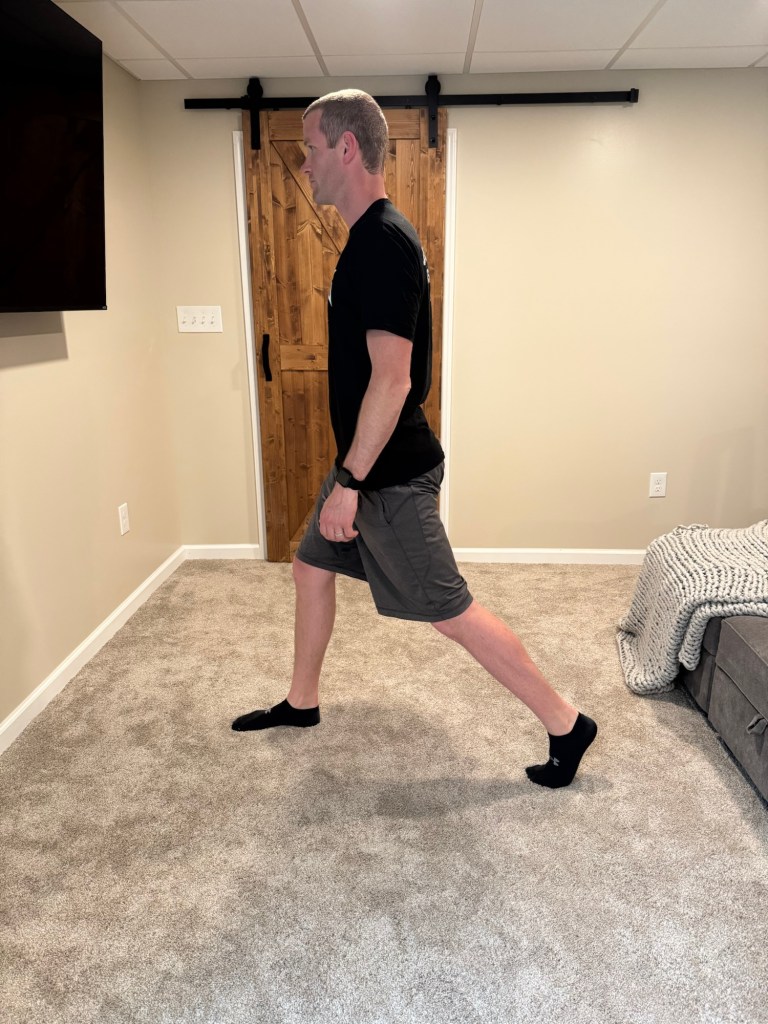
- Mobility Exercises: With our backs and hips taking a lot of the abuse while working in the yard, we need to focus on maintaining or improving flexibility. It’s wise to consider breaking up all of the repetitive movement with some movement in the opposite direction, like the following back extensions pictured below.
- Core Strengthening: A strong core supports your back and helps maintain good posture. Try incorporating some of the movements from our previous ‘core’ training article.
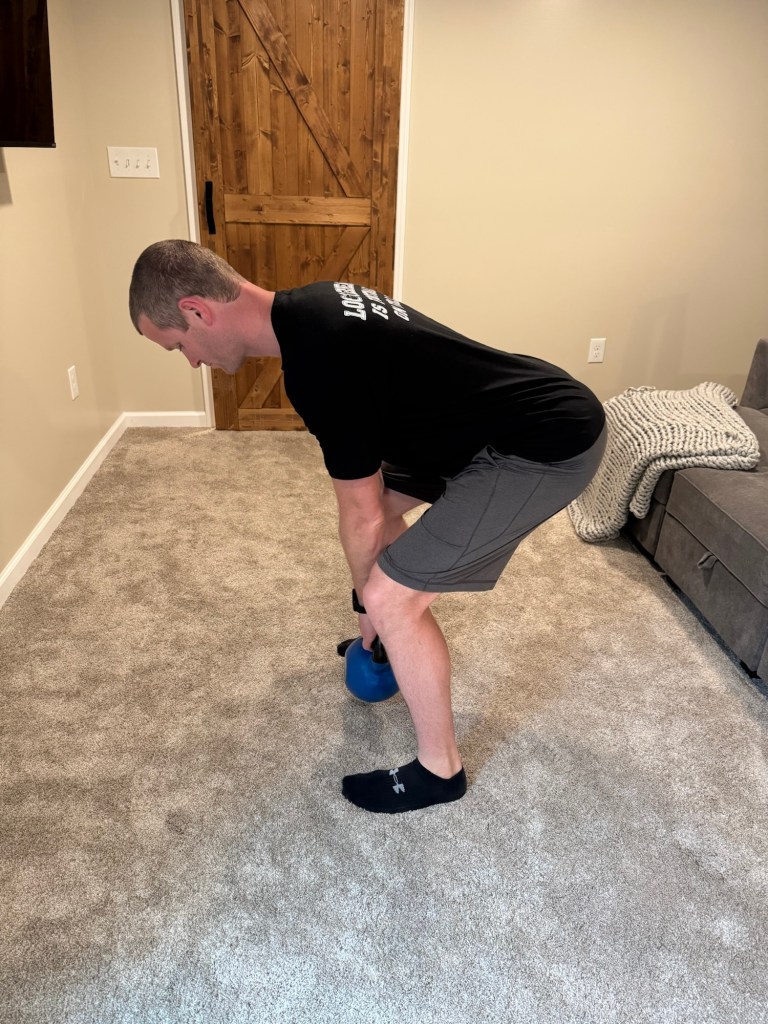
- Resistance Training: Total body resistance training will help your muscles protect your joints while moving up, down, and all around in the yard. Use our resistance training article and a couple of the movements below to start. Leg strength is especially important as a lot of yard work involves raising and lowering your center of mass.
- Proper Lifting Techniques: While it would be impossible to maintain neutral at all times in life as well as yard work, aim not to move your spine excessively. Your spine works like a fishing rod, pliable, but not indestructible. Practice lifting with your hips and knees rather than your spine. Keep any weight close to your body and avoid twisting while lifting.



Gardening and yard work can be enjoyable and rewarding activities, but it’s essential to be mindful of the repetitive movements involved. Otherwise, good intentions might turn into a day in bed with a sore back. By understanding the risks and incorporating preventive exercises into your routine, you can enjoy your time in the yard while staying fit and injury-free. Remember, a little preparation goes a long way in cultivating both a beautiful garden and a healthy body! 🌿💪
 Happy Valley Wellness Solutions
Leave a comment