By John Valentik MS, NASM-PES, FMS
What is the first thing you thought of when you read this title? Free weights, machines, heavy bars on your back or shoulders? While these styles certainly apply to the world of resistance training, there are many reasons why you might want to rethink this concept. If you are not currently doing any resistance training, I hope this article helps provide you with some direction and motivation to begin!
We’ve established that machines and free weights (i.e. dumbbells, kettlebells, and barbells) are resistance training modalities, but there are other options too. Believe it or not, you have all the equipment you need just reading this article; yourself! Body weight training can be a very effective resistance training strategy. It’s also cost effective and easy to scale, which we’ll address shortly. Outside of ourselves and the traditional resistance training equipment, there are tons of other options out there to suit just about anybody; resistance bands, TRX suspension trainers, medicine balls, stability balls, sandbags, body blades, you name it! The key is to start with something that you feel comfortable with and in time, maybe you can progress to the more technical equipment.
Now that you know what you can use for resistance training, why should you do it? To clear the air, resistance training is NOT just for those who want bigger arms and shoulders. In addition to increased muscle mass and strength, resistance training has been shown to improve bone density, enhance metabolism for a better caloric burn at rest, improve body composition and joint health, better glucose control for anyone who is prediabetic or diabetic, enhanced mental health, and increased longevity. Resistance training is great for improving how you look, but it’s even more important for improving how you feel.
What, why, now who! The simple answer is that everybody should be doing resistance training. If you have goals of weight loss or body composition, please take note of this; a pound of muscle burns significantly more calories than a pound of fat, with research supporting a range of 2 to 4 times. A pound of muscle is also significantly denser than a pound of fat. Think about your 5-foot 9-inch 220 pound office worker compared to the 5-foot 9-inch 220 pound running back in the NFL. While we aren’t all striving to be professional athletes, resistance training contributes to improving muscle tone and slimming down, since muscle takes up much less surface area than the same weight in fat.
If your goals are to reduce pain, a stronger body means stronger joints, especially in the common ailment areas like the knees, hips, and shoulders. Many people are concerned about their pain levels worsening by resistance training. The truth of the matter is that when done correctly, pain levels will often decrease. So, if you just want to live a long, healthy, and independent life, resistance training should be something that you take with you for the long haul. Our bodies naturally atrophy as we age. In our 40s and 50s this is more of a nuisance than anything else. By your 60s and 70s, this becomes more of a serious concern. When your body doesn’t have enough strength to support itself, falls become a bigger problem. Combine that with a decrease in bone density, and things like hip fractures can take on a whole other meaning. Unfortunately, for many sedentary older adults, something like a hip fracture can put someone into a rehabilitation setting, where they are never able to regain enough strength and mobility to return home.
Who, what, and why have been covered. The how becomes a little more of a challenge without turning this into a novel. The easy plug here is to seek out a fitness professional who can provide you with the guidance necessary to get started. A good starting point for this is to find a trainer who is nationally accredited with one of the big four organizations, ACSM, NASM, NSCA, and ACE.
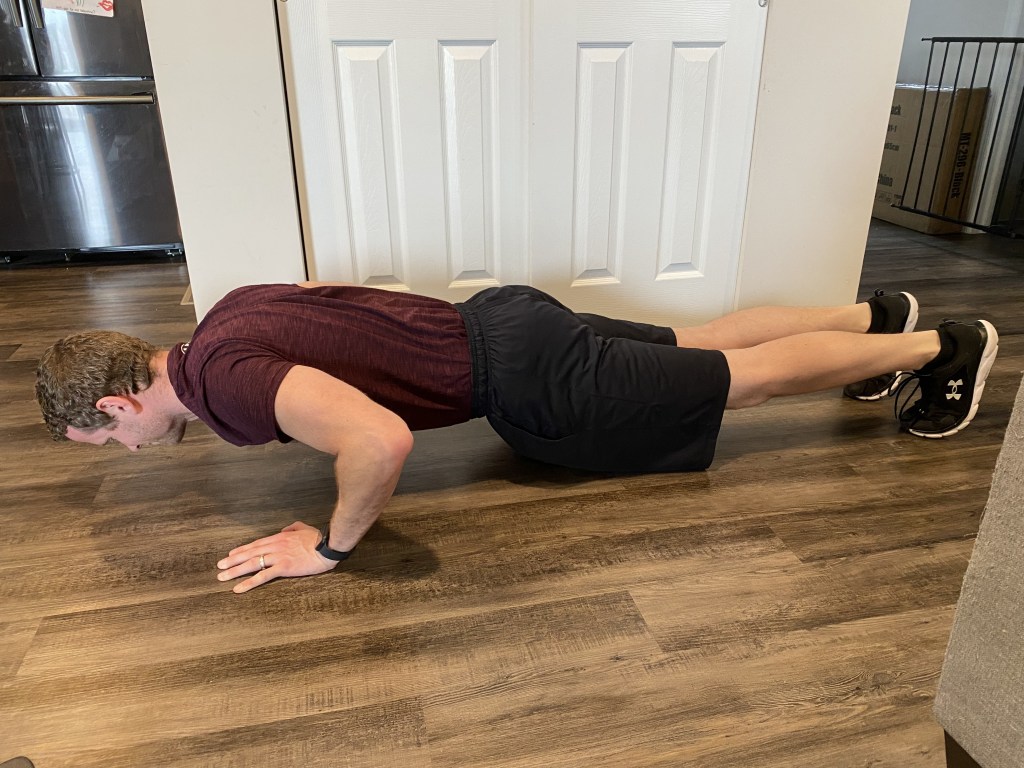
If you’re hesitant about getting started with someone, you can start with simple body weight movements that you can do in the comfort of your own home. While I’ll certainly cover more in future articles, below are some pushup and squat options that you can do at any fitness level. Volume is a very important factor. For a beginner, starting with single sets is acceptable. Complete a set where your form does not break down, something I call technical failure. When form begins to worsen, the set is over, as this is where injury risk begins to increase in a hurry. Aim for sets of 8-12 good repetitions. The American College of Sports Medicine recommends resistance training 2-3 times per week. But remember, just like we stated in an earlier article, something is always better than nothing. As you get up from reading this article, give me 10 squats and then go about your business!
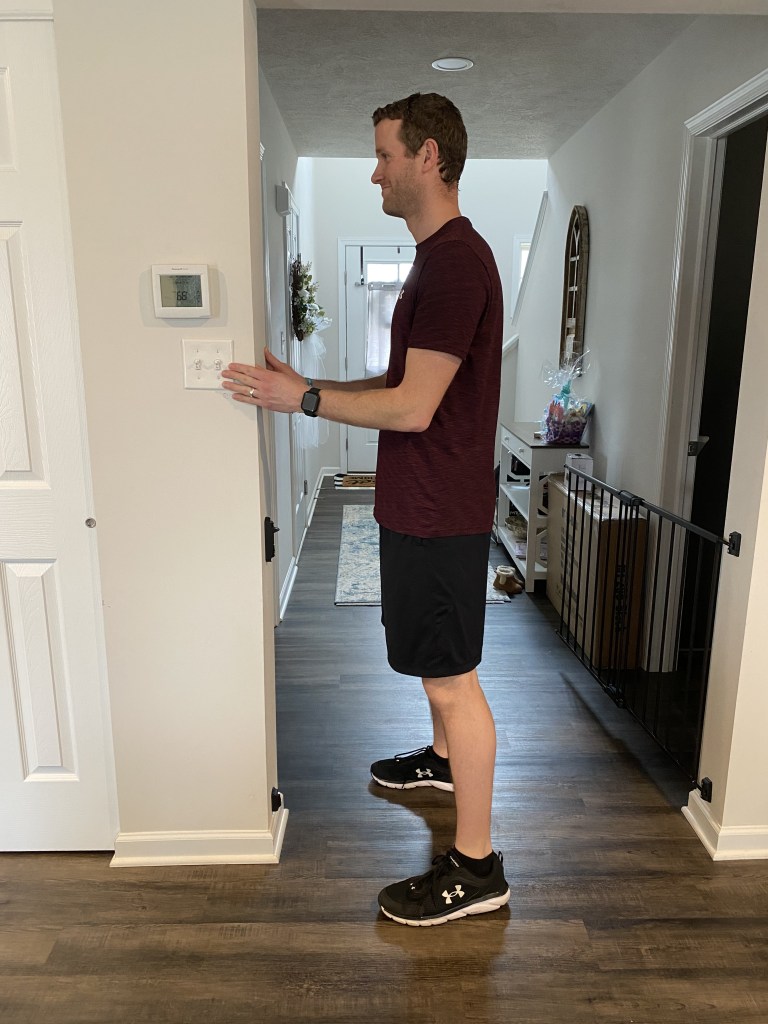
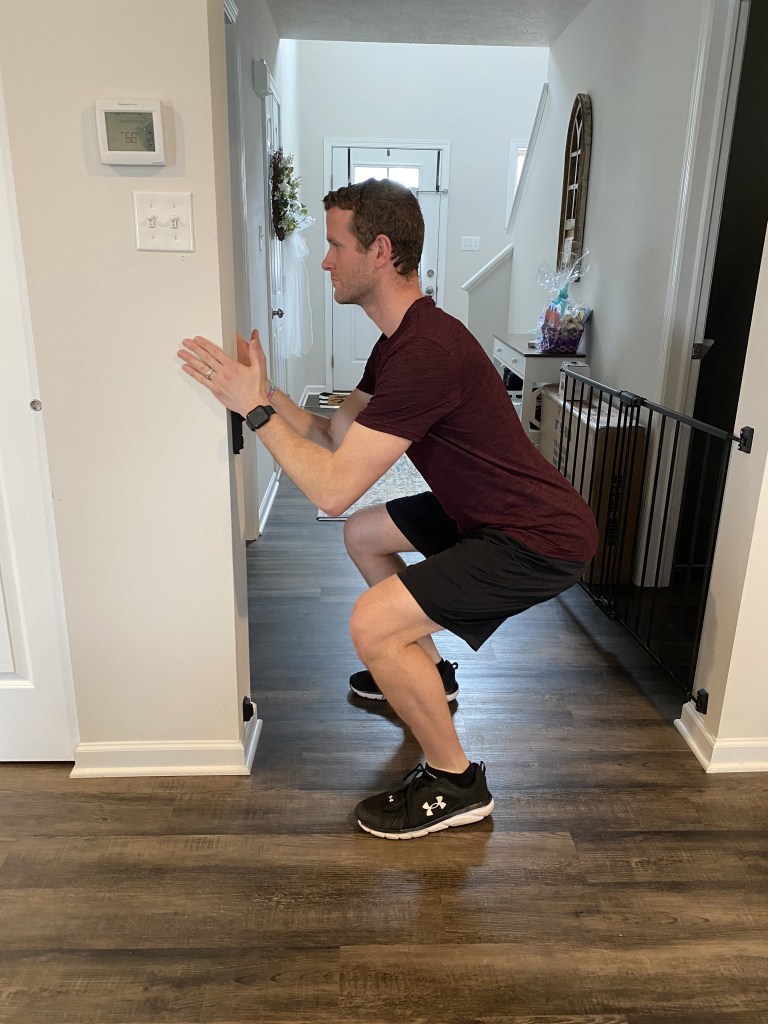
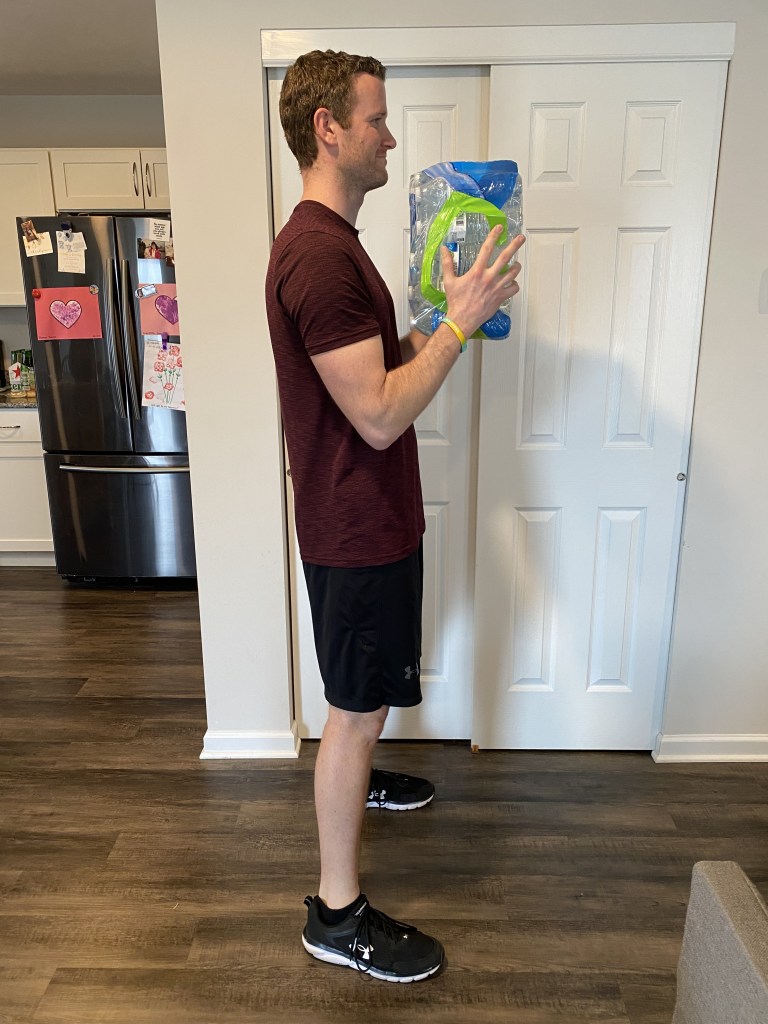
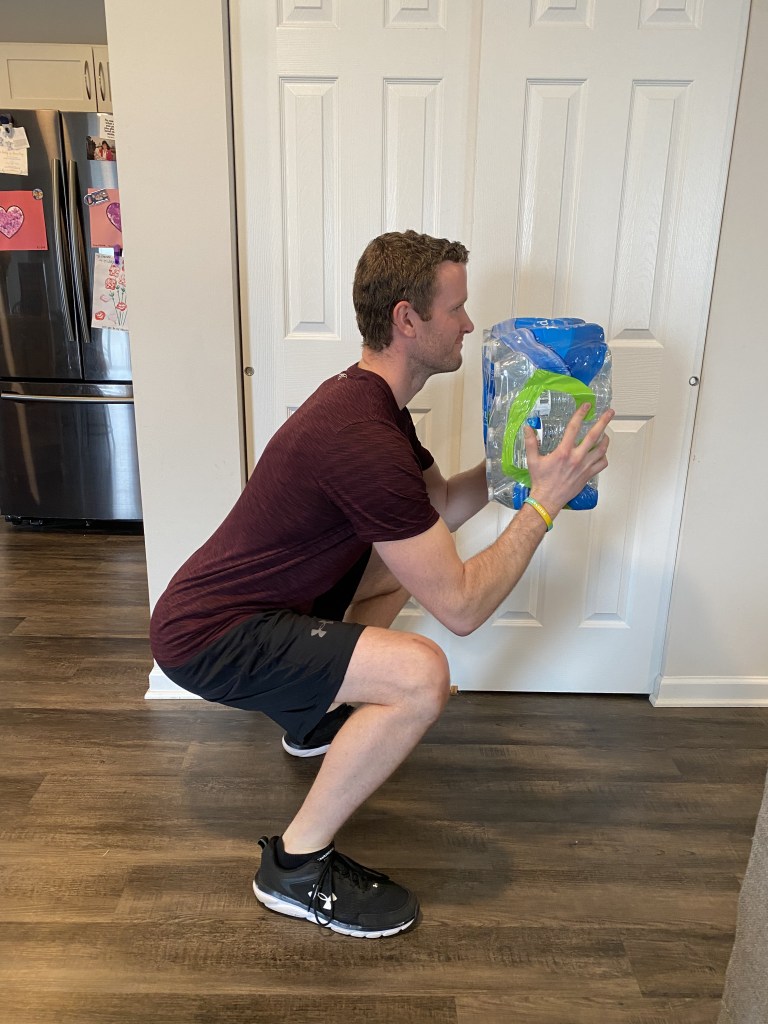
Squat (Assisted and Loaded with Household Item)
- Start tall with feet slightly wider than hip width apart and slightly rotated out
- Hold wall or door frame for assistance
- If loading with weight, keep it slightly in front of body (see image)
- Lower to depth where you are comfortable. Aim for 90 degrees but pain free is most important
- Push knees apart while keeping feet flat
- Stay tall even at the bottom: notice how shins and torso are close to parallel
- Drive through your feet and thighs to get back to your starting position
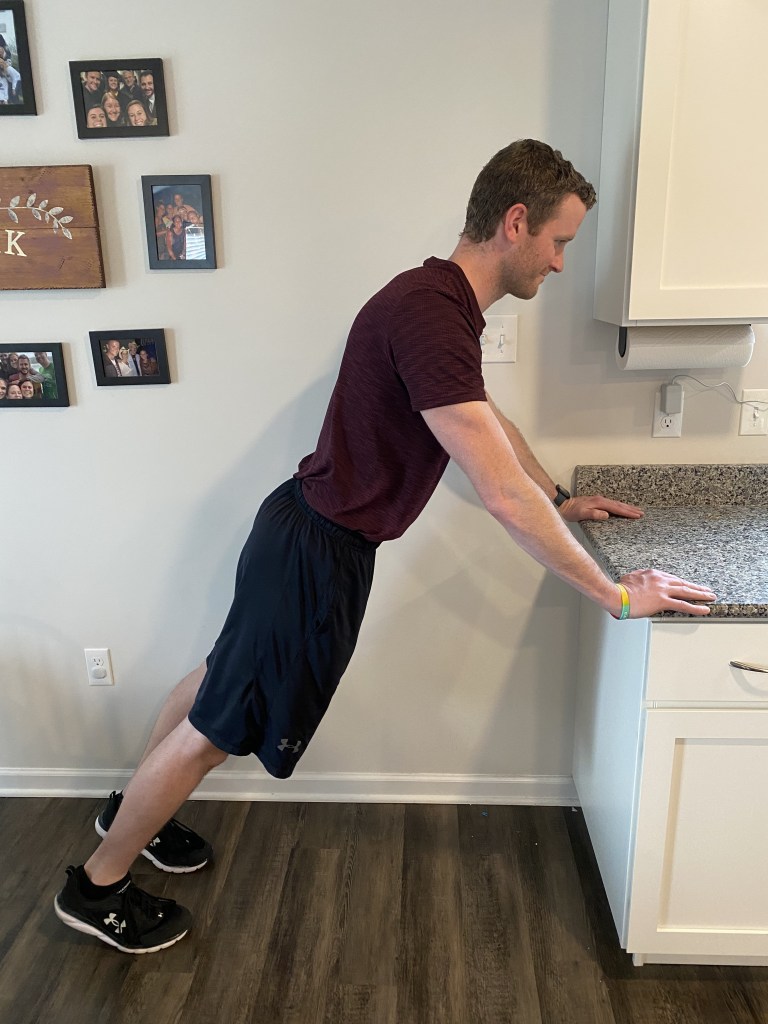
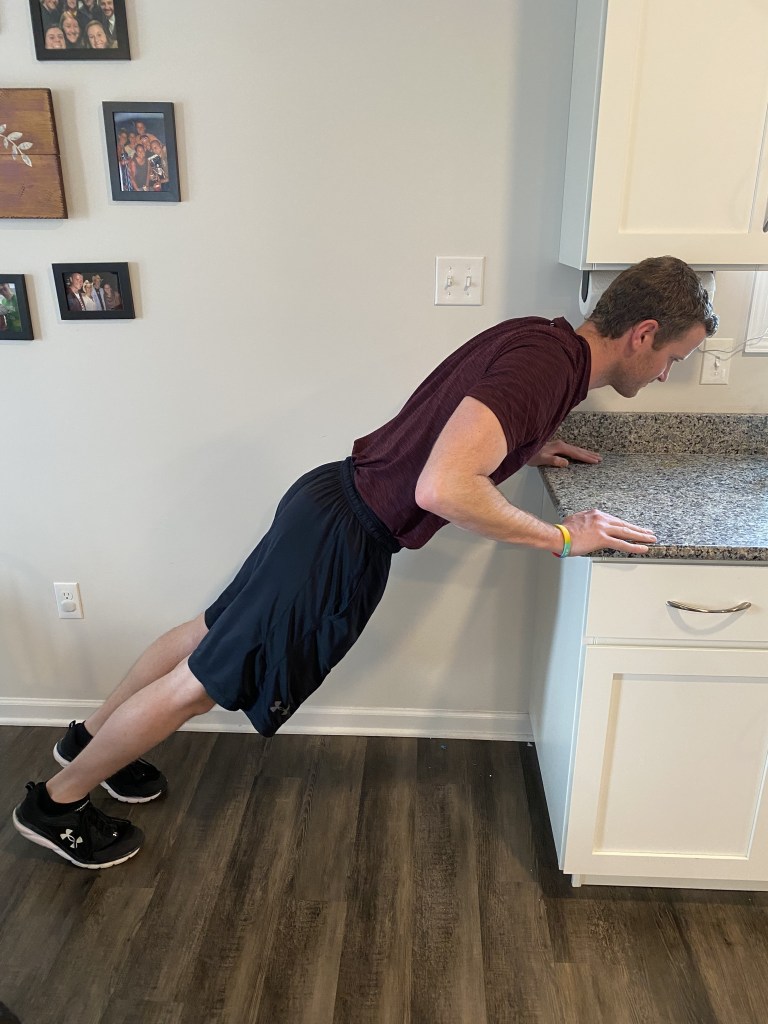
Pushup (Elevated and Regular)
- Hands around shoulder width apart or slightly wider
- Body remains in a straight line
- Thighs, glutes, and core engaged
- Lower to around 90 degrees or slightly lower
- Push through the floor or elevation to drive yourself back to the start point while keeping your body together as one unit

 Happy Valley Wellness Solutions
Leave a comment